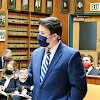
Last Thursday, the City of Ukiah hosted an annexation workshop, with the city continuing to downplay the financial consequences annexation would have on Mendocino County and county taxpayers.
Perhaps the most striking takeaway from the evening was the overwhelming sentiment in the room. Speaker after speaker raised concerns about the proposal, with all but a small handful expressing opposition to annexation. Residents questioned the financial impacts, future zoning changes, local control, and the long-term consequences for the communities targeted for annexation.
During the workshop, Finance Director Dan Buffalo explained how the Master Tax Sharing Agreement works, emphasizing that property taxes would not increase because of annexation. While that may be true, it misses the bigger issue. The question isn't whether taxes go up. The question is where existing public revenues go.
Under the agreement, the City would receive half of future property tax growth in the annexed areas until it reaches a 15% share of total property taxes. On top of that, the City would gradually take over the local share of sales tax revenues over a 15-year period. Every dollar shifted to the City is a dollar no longer available to the County for public safety, health services, and other county responsibilities.
What residents still haven't seen is a serious public discussion of the County's analysis showing tens of millions of dollars in lost or redirected revenues over time. The City continues to disagree with the County's conclusions, but simply disagreeing does not make the fiscal impacts disappear. More importantly, residents are still waiting for the City to release its own comprehensive fiscal analysis of the proposal. If City officials believe the County's numbers are wrong, they should show their work and provide the public with a detailed analysis explaining why. Residents deserve to see both sides of the ledger, not just assurances that everything will work out, but actual numbers showing the full impact on both the City and the County before any annexation moves forward.
The workshop also suggested that the map currently being circulated is likely very close to the final proposal, though some adjustments could still occur. Questions remain about the Brush Street triangle area, which City officials indicated is still under discussion with the County. Residents also raised concerns about potential zoning changes and what annexation could mean for future development patterns in currently unincorporated neighborhoods.
The workshop demonstrated that residents are paying attention and asking tough questions. Unfortunately, many of those questions remain unanswered. As this proposal moves forward, the City should focus less on dismissing concerns and more on providing complete information. Annexation would permanently alter local governance, taxation, and service delivery for thousands of residents. Before that happens, the public deserves full transparency, complete fiscal analyses, and honest answers about the long-term consequences of the proposal.